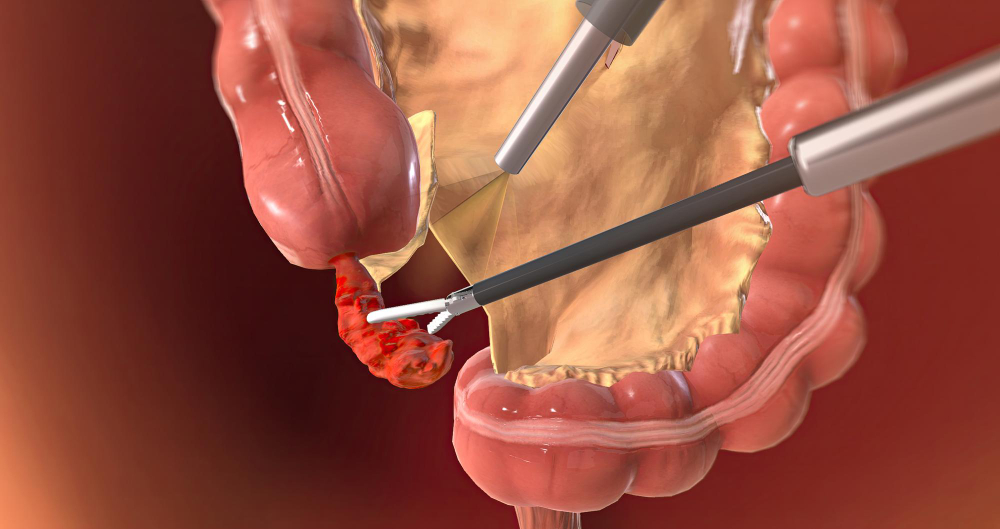
What Is an Appendectomy?
An appendectomy is a surgery to remove the appendix. The appendix is a small pouch attached to the large intestine. Doctors usually perform this surgery when the appendix becomes inflamed or infected. This condition is called appendicitis. Without treatment, an infected appendix can burst and cause serious problems. Therefore, an appendectomy is often an emergency procedure.
Symptoms and Causes Leading to an Appendectomy
Appendicitis is the main reason for an appendectomy. It happens when the appendix gets blocked or infected. As a result, you may notice several symptoms. Common signs include:
Sometimes, the pain starts near the belly button and moves to the lower right side. If you notice these symptoms, you should seek medical help quickly. Early treatment helps prevent complications.
How Appendicitis Is Diagnosed
Doctors use several steps to diagnose appendicitis. First, they ask about your symptoms and medical history. Next, they perform a physical exam. Often, they press on your belly to check for pain. In addition, doctors may order tests, such as:
These tests help confirm if your appendix is inflamed. Quick diagnosis is important to avoid a burst appendix.
Types of Appendectomy Procedures
There are two main types of appendectomy procedures. Your doctor will choose the best option for you. The two types are:
Both methods are safe. However, laparoscopic surgery may not be possible if the appendix has burst or there is a lot of infection.
What to Expect Before Surgery
Before an appendectomy, doctors will prepare you for surgery. First, they will explain the procedure and answer your questions. Next, you may need to stop eating or drinking for several hours. Doctors may also run tests, such as:
In addition, you will change into a hospital gown. Nurses will place an IV line in your arm for fluids and medicine. These steps help keep you safe during surgery.
What Happens During the Surgery
During an appendectomy, you will receive anesthesia. This medicine helps you sleep and feel no pain. Once you are asleep, the surgeon will begin the procedure. For an open appendectomy, they make a single cut. For a laparoscopic appendectomy, they make a few small cuts. The surgeon removes the appendix and checks for infection. If needed, they clean the area to prevent problems. Afterward, they close the cuts with stitches or staples. The whole surgery usually takes about one hour.
Recovery Process and Aftercare Tips
After surgery, you will wake up in a recovery room. Nurses will check your vital signs and make sure you are comfortable. Most people stay in the hospital for one or two days. However, some may go home the same day, especially after laparoscopic surgery. Your appendectomy recovery time depends on your health and the type of surgery.
To help you heal, follow these aftercare tips:
Most people feel better in two to four weeks. However, always contact your doctor if you notice fever, redness, or swelling at the surgery site.
Possible Risks and Complications
Although appendectomy is safe, every surgery has some risks. Common appendectomy risks include:
Most problems are rare and can be treated quickly. If you follow your doctor’s instructions, you can lower your risk of complications.
Prevention and Lifestyle Guidance
Currently, there is no sure way to prevent appendicitis. However, some studies suggest that eating a diet high in fiber may help. For example, fruits, vegetables, and whole grains are good choices. Even though you cannot always avoid appendicitis, healthy habits support your overall well-being.
When to Seek Medical Help
If you have sudden belly pain, fever, or vomiting, seek medical care right away. Quick treatment can prevent serious problems. Remember, early action is key to a smooth recovery.
Conclusion
An appendectomy is a common and safe surgery. It treats appendicitis and helps prevent serious health issues. Knowing what to expect before, during, and after the appendectomy procedure can ease your worries. For more information or personal advice, consult a qualified surgeon about appendectomy.