Introduction
Polycystic Ovary Syndrome (PCOS) is a common health condition that affects many women. It can cause problems with periods, hormones, and even fertility. Because PCOS can make it harder to get pregnant, understanding its effects is important. In this blog, we will explain what PCOS is, its symptoms, causes, and how it impacts fertility. We will also share tips and treatment options for managing PCOS and improving fertility.
What is Polycystic Ovary Syndrome (PCOS)?
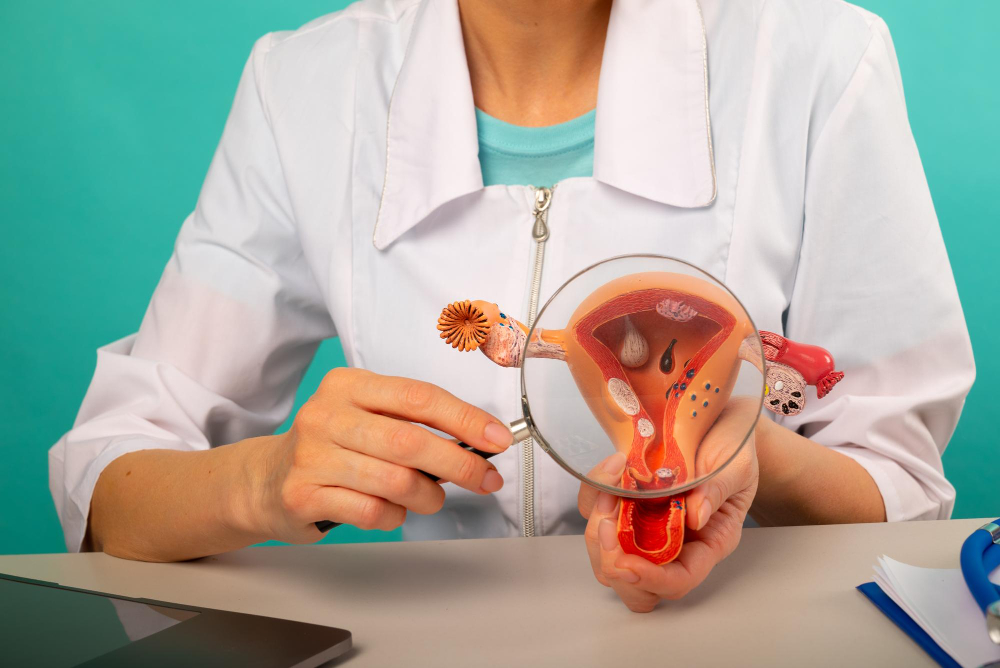
PCOS is a condition where a woman’s ovaries do not work as they should. Usually, the ovaries make eggs every month. However, with PCOS, the ovaries may have many small cysts, or fluid-filled sacs. These cysts can stop eggs from being released. As a result, periods may become irregular or stop. PCOS also causes hormone changes in the body. According to the CDC, PCOS is one of the most common causes of infertility in women.
Common Symptoms of PCOS
PCOS symptoms can be different for each woman. However, some signs are more common. If you notice any of these, it may be helpful to talk to a doctor:
Sometimes, women with PCOS may not have all these symptoms. Even so, it is important to get checked if you have any concerns.
Causes and Risk Factors
Doctors do not know the exact cause of PCOS. However, several factors may play a role. For example, hormone imbalance is common in women with PCOS. Insulin resistance, where the body has trouble using insulin, can also be a factor. Genetics may increase your risk if other family members have PCOS. In addition, being overweight can make symptoms worse. While the exact cause is unknown, these risk factors are important to consider.
How PCOS Affects Fertility
PCOS can make it harder to get pregnant. Because the ovaries may not release eggs regularly, it is difficult to know when you are most fertile. Hormone changes can also affect the lining of the uterus, making it harder for a pregnancy to start. However, many women with PCOS can still become pregnant with the right care. Early diagnosis and treatment can improve your chances of having a baby.
Diagnosis of PCOS
Doctors use several steps to diagnose PCOS. First, they will ask about your symptoms and medical history. Next, they may do a physical exam. Blood tests can check hormone levels. An ultrasound can show if there are cysts on the ovaries. According to the World Health Organization (WHO), a diagnosis is made if you have at least two of these: irregular periods, high levels of male hormones, or cysts on the ovaries.
Treatment Options for PCOS-Related Fertility Issues
There are many ways to treat PCOS and improve fertility. Your doctor will suggest the best plan for you. Some common treatment options include:
Because each woman is different, treatment plans may vary. It is important to follow your doctor’s advice and ask questions if you are unsure.
Lifestyle Tips for Managing PCOS
Healthy habits can help manage PCOS symptoms and improve fertility. Here are some tips:
Although lifestyle changes may not cure PCOS, they can make a big difference in how you feel.
Prevention and When to Seek Help
There is no sure way to prevent PCOS. However, healthy habits can lower your risk and help manage symptoms. If you notice irregular periods, extra hair growth, or trouble getting pregnant, it is a good idea to see a doctor. Early diagnosis and treatment can improve your health and fertility. If you are looking for PCOS specialists in your area, ask your doctor for a referral or search for local clinics.
Conclusion
PCOS is a common condition that can affect your health and fertility. However, with the right care and support, many women manage their symptoms and have healthy pregnancies. If you have questions or concerns about PCOS and fertility, consult a healthcare specialist for personalized advice.