Introduction
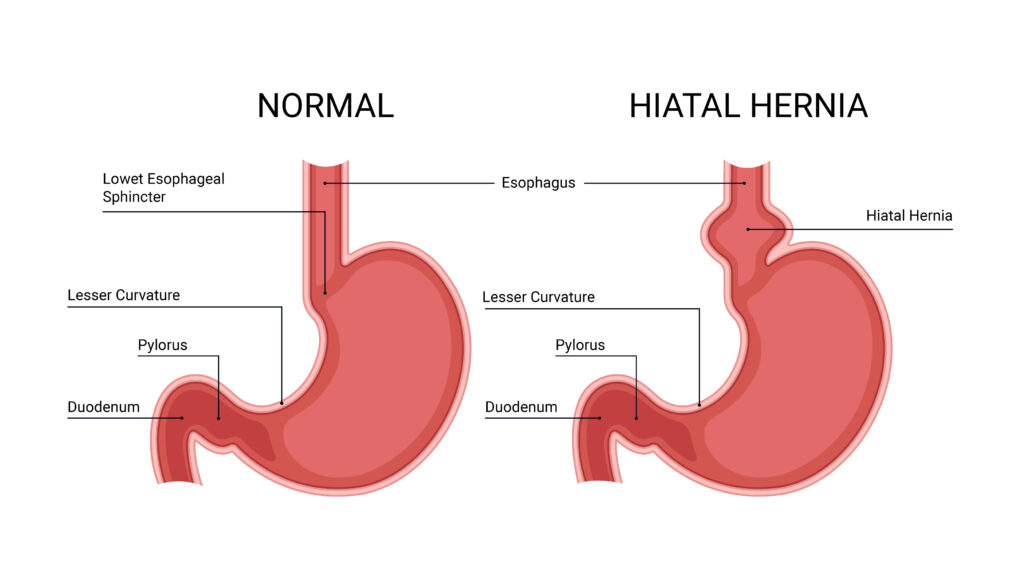
A hiatal hernia happens when part of your stomach pushes up through your diaphragm. The diaphragm is a muscle that helps you breathe. It separates your chest from your belly. Because hiatal hernia can cause discomfort, knowing the causes, symptoms, and treatment options is important. Understanding when surgery is needed can help you make the right choices for your health.
What Is a Hiatal Hernia?
A hiatal hernia is a condition where the upper part of your stomach moves into your chest. This happens through a small opening in the diaphragm called the hiatus. Normally, your stomach stays below the diaphragm. However, with a hiatal hernia, it slips above this muscle. As a result, you may feel heartburn or chest pain. Sometimes, people do not notice any symptoms at all.
Common Causes of Hiatal Hernia
Several factors can lead to a hiatal hernia. While some causes are not under your control, others can be managed. For example, the following are common causes:
Because some causes are linked to lifestyle, making healthy choices may help lower your risk.
Recognizing Symptoms of Hiatal Hernia
Many people with a hiatal hernia have no symptoms. However, some may notice signs that affect daily life. For instance, common hiatal hernia symptoms include:
Because these symptoms can be similar to other conditions, it is important to talk to your doctor if you notice them. Sometimes, symptoms get worse when you bend over or lie down.
When Is Surgery Needed for Hiatal Hernia?
Most hiatal hernias do not need surgery. However, there are times when hiatal hernia surgery is the best option. For example, surgery may be needed if:
Because surgery has risks, doctors usually try other treatments first. But if your symptoms are serious, your doctor may suggest surgery to fix the hernia and prevent complications.
Diagnosis and Treatment Options
Doctors use several tests to diagnose a hiatal hernia. For instance, they may use:
Once diagnosed, treatment for hiatal hernia depends on your symptoms. Most people feel better with lifestyle changes and medicine. For example, treatment options include:
However, if these steps do not help, your doctor may discuss surgery. Surgery can repair the opening in the diaphragm and move the stomach back into place.
Prevention and Lifestyle Tips
While you cannot always prevent a hiatal hernia, certain steps may lower your risk. For example, you can:
Because these habits support overall health, they can also help manage symptoms if you already have a hiatal hernia.
Conclusion
In summary, a hiatal hernia happens when part of the stomach moves into the chest. While many people have mild or no symptoms, others may need treatment. Because severe cases can lead to problems, knowing when surgery is needed is important. If you notice symptoms or have concerns, consult a specialist for personalized guidance on hiatal hernia diagnosis and treatment.
Sources: Centers for Disease Control and Prevention (CDC), World Health Organization (WHO), National Institutes of Health (NIH)